HISTORY OF MINORITIES IN AMERICA
CREATED BY KAIA THELWELL + BRIANNA LUCAS + LAYLA BRISSETT

black-americans
latinx-americans

chinese-americans

japanese-americans

more asian-americans
muslim-americans
native-americans
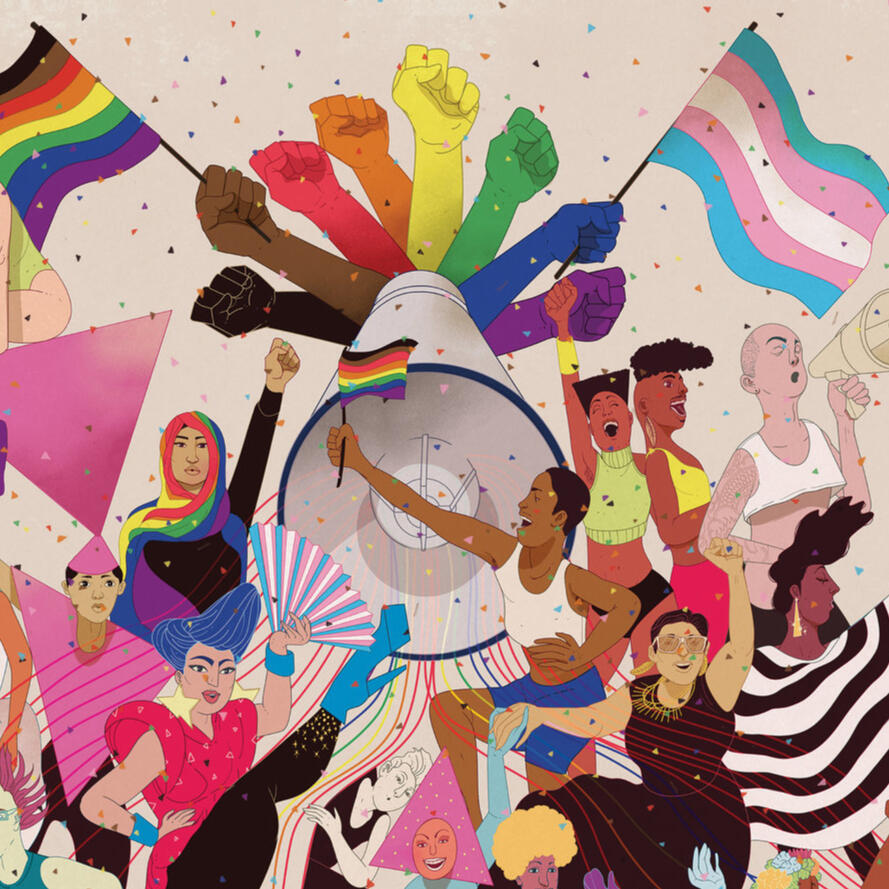
lgbtq+-americans
1619 → First Slaves
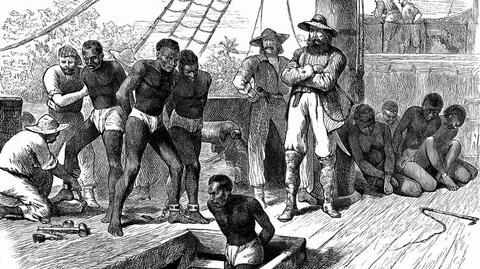
In 1619, the first group of Africans were brought to the Jamestown colony in Virginia as indentured servants.
==1700-1800 → Triangular Trade and Growth of the Role of Slavery in the US Economy ==
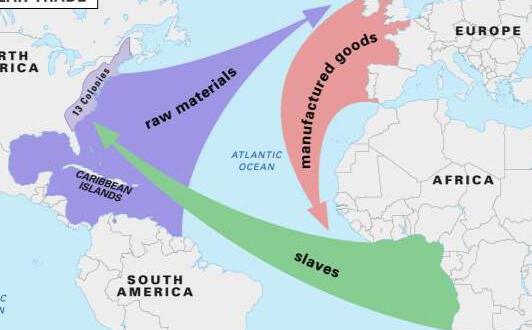
The geography of the South leaned the economy over to relying on agriculture with the sale of cash crops. White settlers desired a cheap source of human labor. African slaves were an attractive option because they were accustomed to working in the hot climate, they were not familiar with the land so they were less likely to run away than Native Americans, and they had immunity to diseases that were fatal to many Natives. They also were available to work for their entire lives without pay and their children would also become their property. In exchange for manufactured goods and textiles, Africans were captured against their will and given to Europeans who brought them through the Middle Passage where millions of people died due to the horrific conditions. Upon arrival to America, African slaves were traded for raw materials and they were sold to plantation owners. The cotton, sugarcane, and tobacco industry relied on slavery for their success. Raw materials produced by slaves in the South also helped support the industrial economy of the North. Slavery eventually became an integral part of the US economy and dismantling of slavery would prove to be a difficult feat.
==1776 → Declaration of Independence Fails to Recognize Black People ==
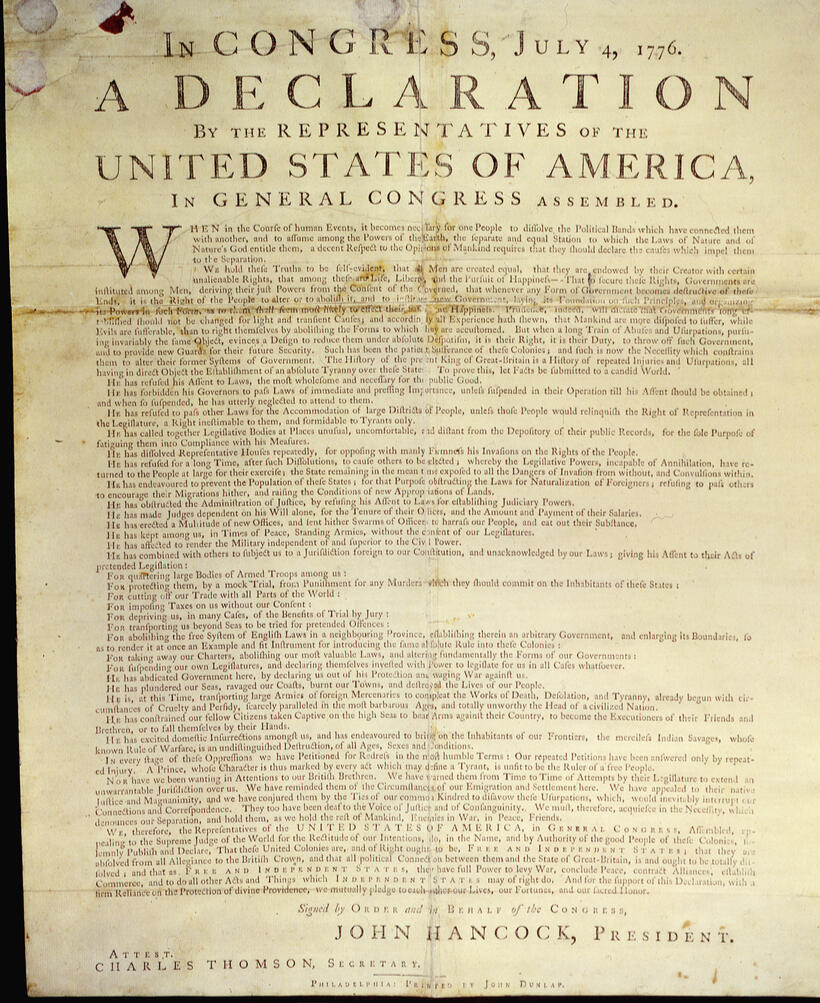
The Declaration of Independence applied the Enlightenment ideas of natural rights and equality for all men, however, it could not be clear that the founding fathers meant to say “all white men”. Slavery would persist for almost a century following the creation of this document due to greed and false justifications based on pseudoscience.
==1831 → Nat Turner Rebellion ==
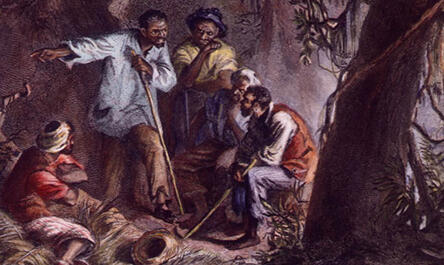
Nat Turner was a slave in Southampton County, Virginia. Following an atmospheric disturbance which was interpreted as a sign, he and a group of other slaves which totaled about 40 men banded together and killed all the white people they encountered. Many of them were on horseback and they had to scatter because the state militia was alerted. After he and his rebels killed about 55 white people, many including Nat Turner himself were captured. Nat Turner was sentenced to execution and skinned. Slaveholders were compensated by the state government for their slaves. Following the rebellion, approximately 200 black people were killed by white mobs and the state decided to follow an even more repressive regime against slaves to prevent another insurrection from occurring.
== 1700s-1800s→ Growth of Abolitionist Sentiment, Underground Railroad ==
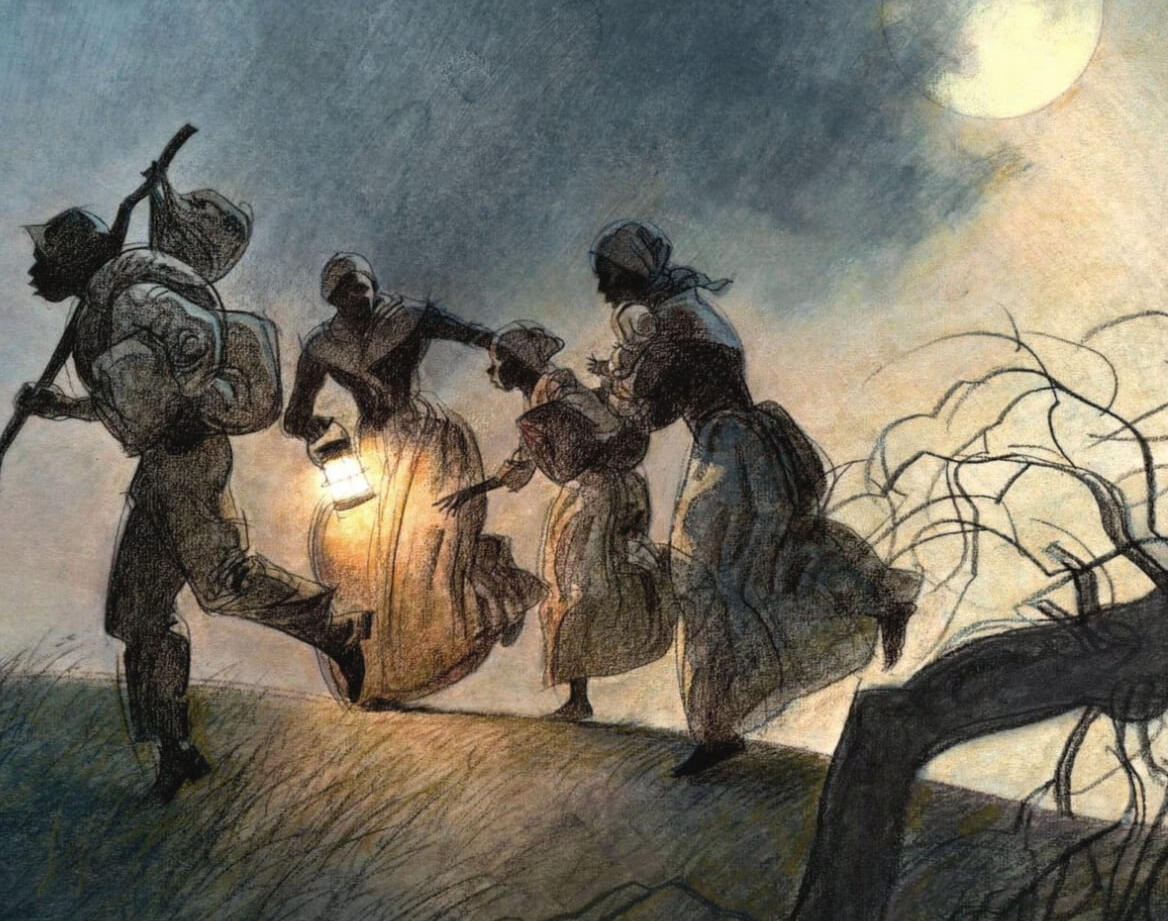
While advocates for abolitionism were a minority in both the North and especially the South, they were a growing voice. Many of the most passionate and moving abolitionists such as Frederick Douglass were former slaves who escaped to freedom because they experienced the horrors of slavery firsthand. Many other abolitionists were Quakers or religious leaders who were especially moral. The Underground Railroad was a network of both black and white people known as conductors who helped escaped slaves on their way to the North. There were not many conductors in the Deep South, so slaves in the border states were usually the ones who attempted to escape. Harriet Tubman was perhaps the most famous conductor who escaped slavery herself and she returned to the South several times to help over 300 slaves to freedom.
== 1857→ Dred Scott Supreme Court Case ==
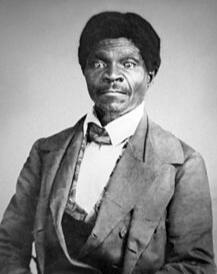
Dred Scott was a slave from Missouri who moved to and resided in a free state. He sued the state of Missouri for his freedom, arguing that his residence in a free state made him free. Chief Justice Roger Taney wrote that since black people were not citizens, they did not have the right to a court trial. He even went further to say that since slaves were not human beings, simply property, and the United States could not control property by banning slavery in certain states. This decision essentially deemed the Missouri Compromise unconstitutional and abolitionists were outraged.
== 1861-1865→ Civil War, 54th Massachusetts Regiment ==
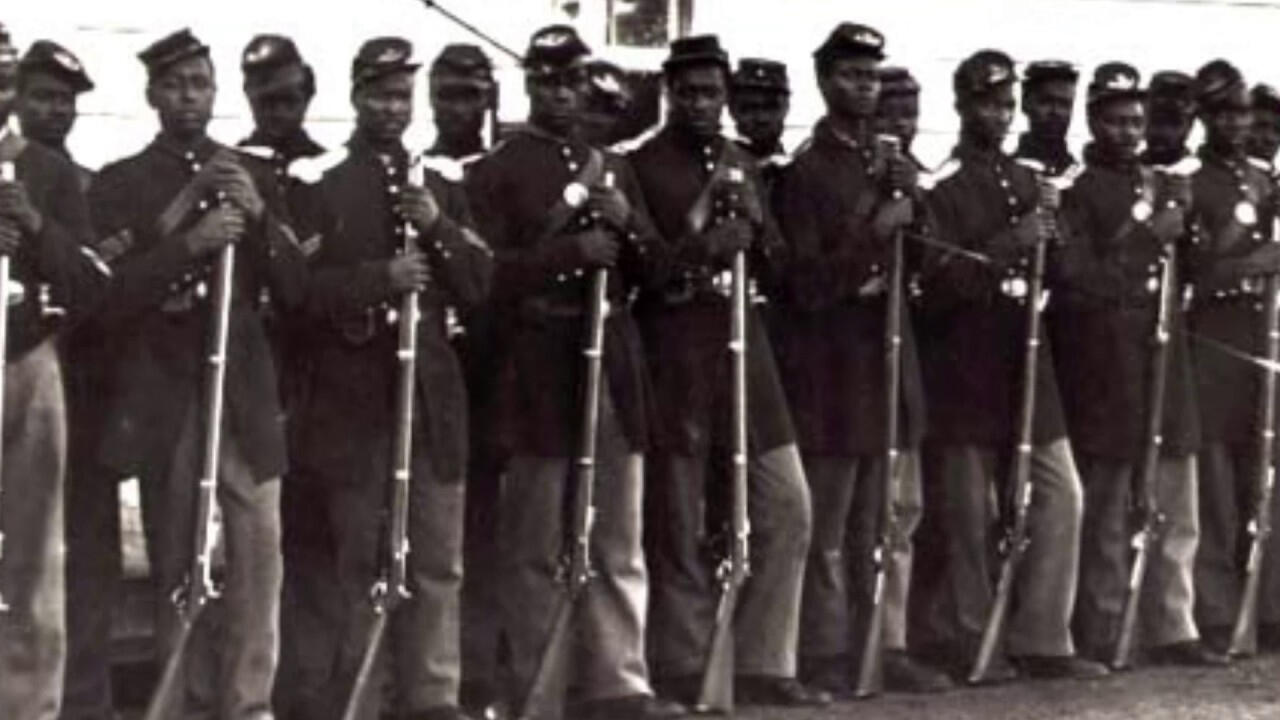
Following the nation’s election of its first Republican president, slave states in the South felt extremely threatened that the institution of slavery would be abolished and they saw this as a threat to their way of life and their economic prosperity. This caused several states in the South to secede from the Union and eventually, the Civil War broke out. The bloodiest war fought on American soil was fought over whether slavery should continue. The 54th Massachusetts Regiment was an all-black military unit that was recognized for their distinguished service.
== 1863, 1865→ Emancipation Proclamation and Juneteenth ==
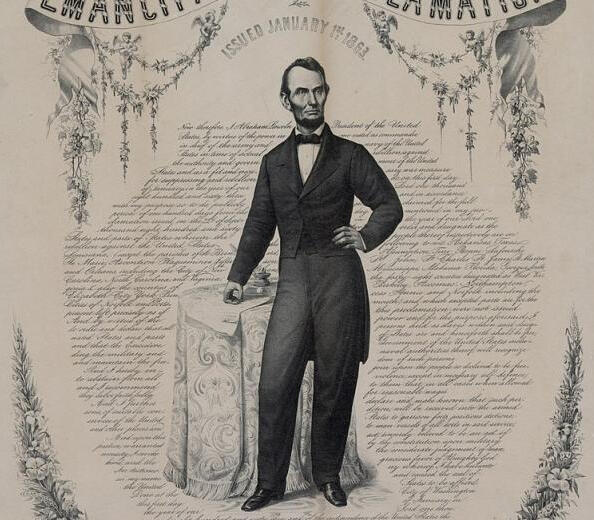
The Emancipation Proclamation written by Abraham Lincoln in 1863 stated that all slaves in the states that seceded from the Union were free. However, the North had no jurisdiction in this location during the war. The border states which were slave states that remained loyal to the Union that the federal government actually had control over were not subject to any changes because the government did not want to anger them and cause them to secede. As Union troops advanced through the South more slaves ended up being freed. June 19, 1965 marks the day when the last remaining slaves in Texas were informed that they were free. Now a national holiday, Juneteenth celebrates the emancipation of slaves in the United States.
== 1865-1877→ Failures of Reconstruction ==
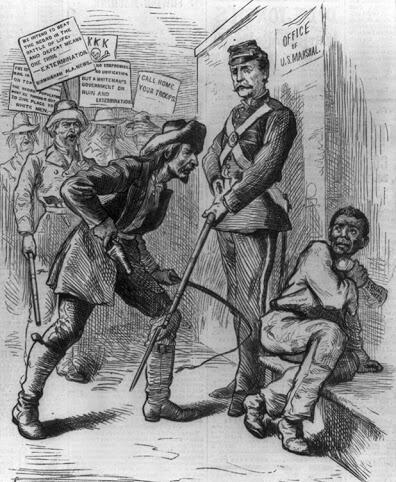
After the Civil War ended, the 13th, 14th, and 15th amendments to the Constitution were passed. The 13th amendment abolished slavery; the 14th amendment guaranteed equal protection and due process to all American citizens; the 15th amendment allowed black men to vote. The 13th amendment abolished involuntary servitude except as punishment for a crime. The United States currently has one of the highest rates of incarceration in the world which disproportionately affects black men. Prison labor which is allowed through the wording of the 13th amendment is considered by many to be a modern form of slavery. Although Reconstruction allowed for the opportunity for families broken by slavery to be reunited, the establishment of historically black universities, and the opportunity for black people to serve as elected officials, the process was cut short and racial inequality was not eradicated. Southern state governments quickly replaced slavery with the system of sharecropping which was essentially slavery under a new name and they enacted Black Codes which disenfranchised black voters and decreased their social mobility. Violent terrorist groups such as the Ku Klux Klan also instilled fear in black communities to keep white people in a position of power.
== 1896→ Plessy v. Ferguson and the Rise of Jim Crow ==
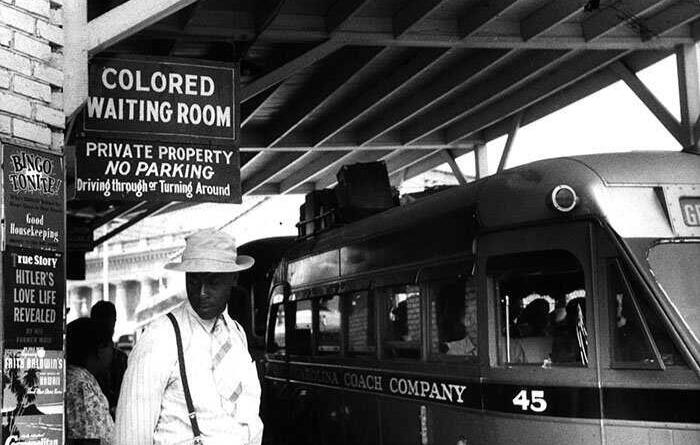
Homer Plessy who was only ⅛ African-American sued the state of Louisiana following his arrest for refusing to vacate a whites only railroad car. The case decided that segregation did not inherently imply that black people were inferior and argued that separate but equal was not in violation of the Constitution. This court decision allowed Jim Crow laws to sweep across the South under the protection of the law. Social institutions were indeed separate, but they were evidently unequal.
== 1900-1910→ The Ignored Group of the Progressive Era ==
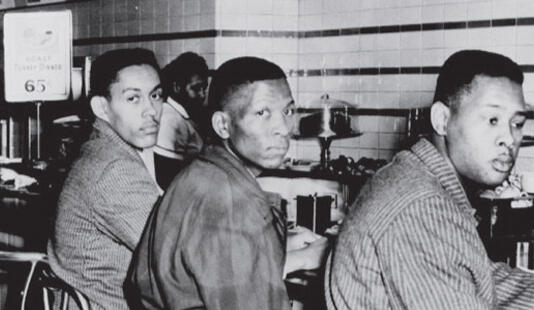
The Progressive Era was a period of widespread reform within federal and local governments to solve social and economic issues that arose from rapid industrialization. Other than black reformers and social critics, the primary figures in the Progressive movement largely ignored issues related to black people. During this era of supposed reform, there was actually a significant spike in the lynching of African Americans. The two most prominent African-American leaders were Booker T. Washington and W.E.B DuBois. Washington was a former slave who argued that African-Americans should use education to gain economic success and afterward civil rights would be granted. Conversely, DuBois argued that civil rights must come first, and then economic success would become possible.
== 1921→ Tulsa Race Massacre ==
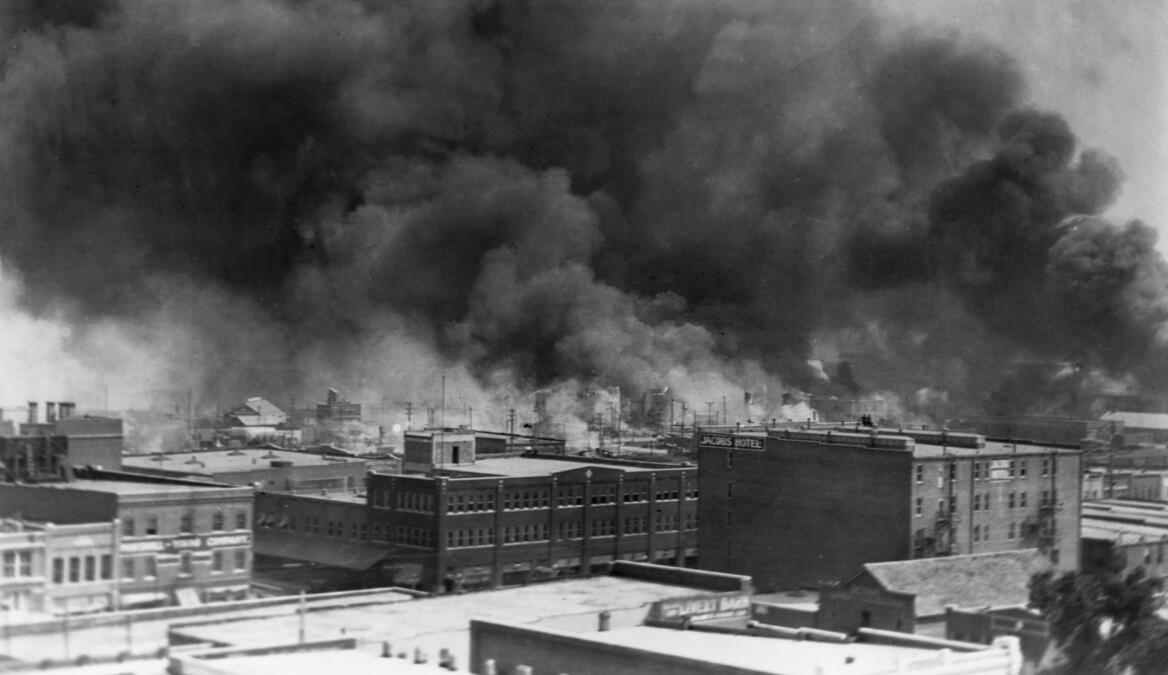
Nicknamed Black Wall Street, the Greenwood District of Tulsa Oklahoma was once a flourishing black community of wealth and entrepreneurship. A sexual assault allegation that a black man attacked a white woman in an elevator was enough to make a violent white mob to attack the residents of the Greenwood district on May 31, 2021. People were shot dead in the street and entire neighborhoods were burned to ashes. Estimates place the death toll at about 300 people. No one was ever held responsible for the murder and property damage. Instead, the National Guard chose to detain black residents in the city as a means to restore law and order.
== 1918 -1930s→ Harlem Renaissance ==
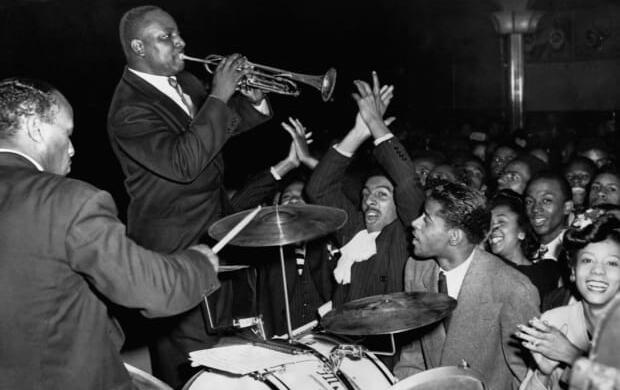
After World War I, the Great Migration took place and millions of African Americans moved from the South to the North to gain improved quality of life and job opportunities. Although Black Americans still faced discrimination in the North, they were able to build thriving communities and define their own culture through literature, music, and art. Harlem in particular was a section of New York City that was a national hub of black culture. Individuals such as Louis Armstrong, Langston Hughes, and Zora Neale Hurston rose to fame during this time and prominent black entertainers gained mainstream recognition for the first time in American history.
==1930s→ Discrimination of the FDR New Deal ==
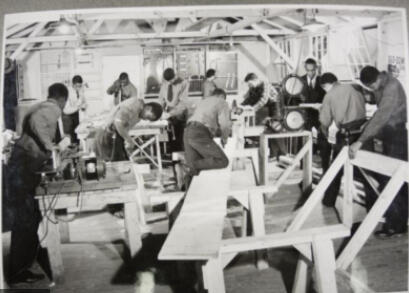
After the Great Depression, President Franklin Delano Roosevelt enacted programs to restore the economy and increase employment rates. Black Americans were unemployed at twice the rate of white Americans. Whites were given the opportunity to pick jobs first and they were paid higher wages. Low interest mortgage loans that gave families the key to generational wealth were almost exclusively given to whites. Due to unfair housing practices, the suburbs post-WWII also excluded black communities. Redlining, a practice in which banks refused to loan money for new homes or improvements in the inner city neighborhoods where minorities lived, was also common.
== 1954→ Brown v. Board of Education ==
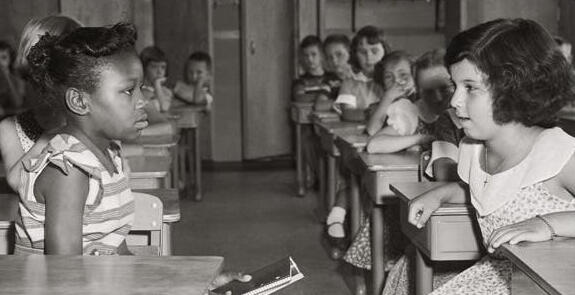
Oliver Brown sued the Topeka Board of Education for not allowing his daughter Linda to attend the all-white school. Plessy v. Ferguson previously ruled that segregation was justified so long as institutions were “separate but equal”. Brown argued that school segregation was a violation of the equal protection clause of the 14th amendment. The court ruled that segregated schools were inherently unequal and ruled in favor of the plaintiff. Enforcing the desegregation of schools across the country would eventually require the role of federal troops, but nonetheless, this case was a major victory for the advancement of racial equality in America.
== 1955→ Death of Emmett Till ==
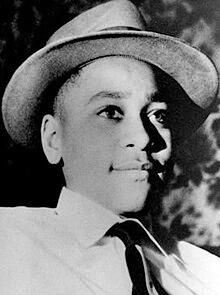
Emmett Till was a 14-year-old African-American boy who moved from Chicago to Mississippi. A white woman falsely accused him of wolf-whistling at her and making inappropriate advances towards her. Her husband returned from a business trip and upon hearing this news, he went to Till’s home and forced him into his car. He beated him so severely until he passed away. His body was so mutilated that he could only be identified by the ring he was wearing. His mother demanded that he have an open casket funeral so that people could see what violent racists did to her son. An all-white jury acquitted the murders because they argued that the identity of the body could not be determined. Horrifying photographs of his disfigured corpse shown in magazines and newspapers made the brutality of his murder undeniable. The verdict caused outrage among the black community and encouraged further action to stop racial violence.
== 1964, 1965→ Civil Rights Act of 1964 and Voting Rights Act of 1965 ==
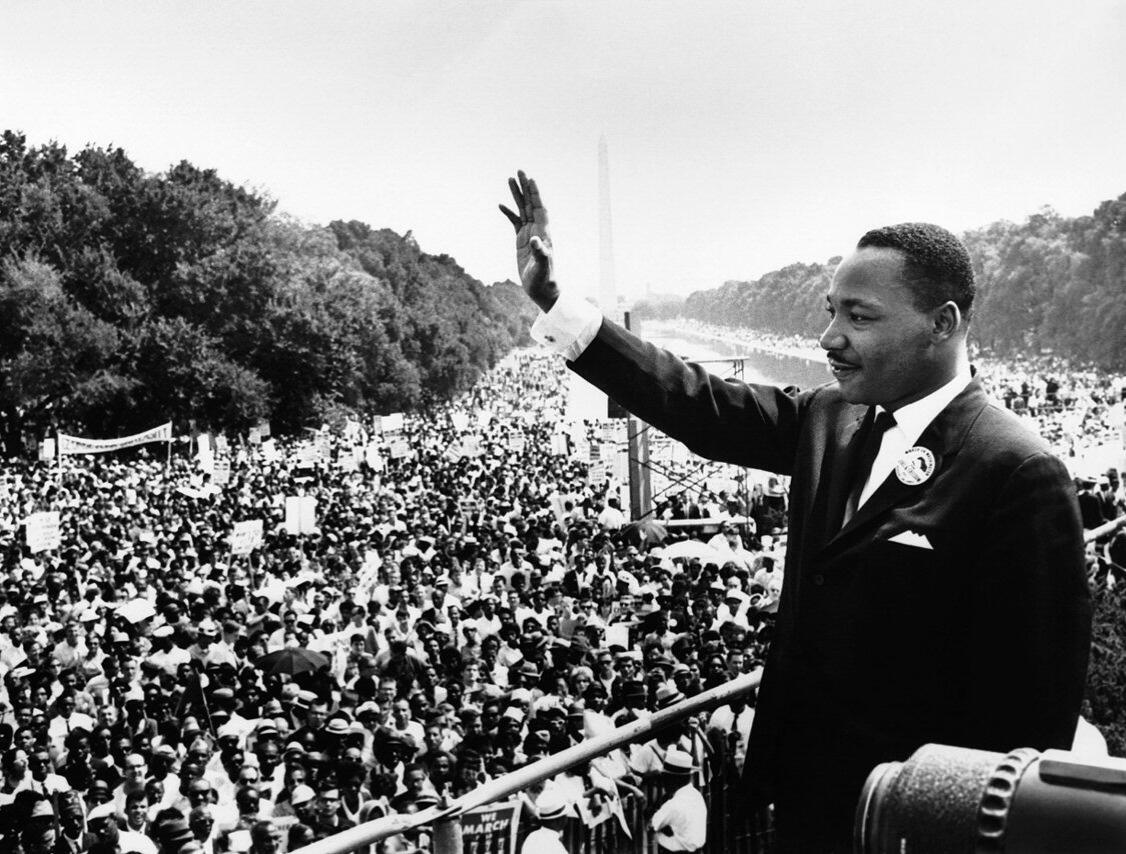
The Civil Rights Act of 1964 was the largest piece of legislation concerning civil rights that were put in place to dismantle discrimination and segregation in education, public facilities, jobs, and housing. The road to bringing these issues to the forefront of the political agenda was not easy as boycotts, protests, and marches across the country were necessary. However, it was a major victory for the future of black Americans in the United States. Through this bill, the Equal Employment Opportunity Commission was also created to enforce fair hiring procedures and provisions were put in place to enforce equality at the local level. The bill also allowed the US Office of Education to allocate funding to communities struggling to desegregate public schools. The Voting Rights Act of 1965 eradicated much of the disenfranchisement policies that had been in place after Reconstruction to prevent communities of color from voting despite the fact that the right had been given a century ago.
== 1978→ Bakke v. University of California ==
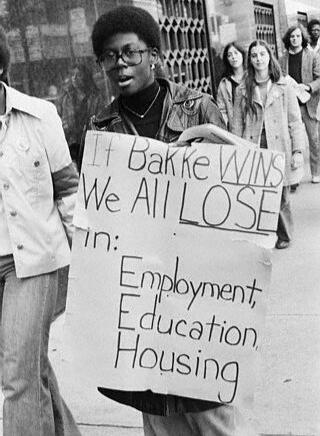
Allan Bakke was a white applicant who was denied admission to the University of California twice. He argued against the school policy of affirmative action, stating that his 14th amendment rights were violated because the school denied his application and instead admitted minority applicants who were less qualified on the basis of GPA and MCAT scores. The court ruled that it was constitutional for schools to consider race as a factor to encourage diversity, but only on a case-by-case basis. However, the court ruling stated that the school’s policy of reserving 16/100 spots for minorities was discriminatory to whites.
== 1980 - 1990s→ Black Culture in Television and Mainstream Media ==
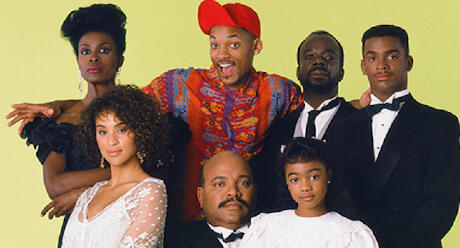
In television, educated and upper middle class black characters were common for the first time. This allowed viewers to have figures to look up to and with the founding of Black Entertainment Television (BET), black people had representation with characters that shared their cultural identity and some of their experiences. Some notable examples included the Bill Cosby Show and the highest rated talk show of all time, the Oprah Winfrey Show.
== 1992→ Los Angeles Riots ==
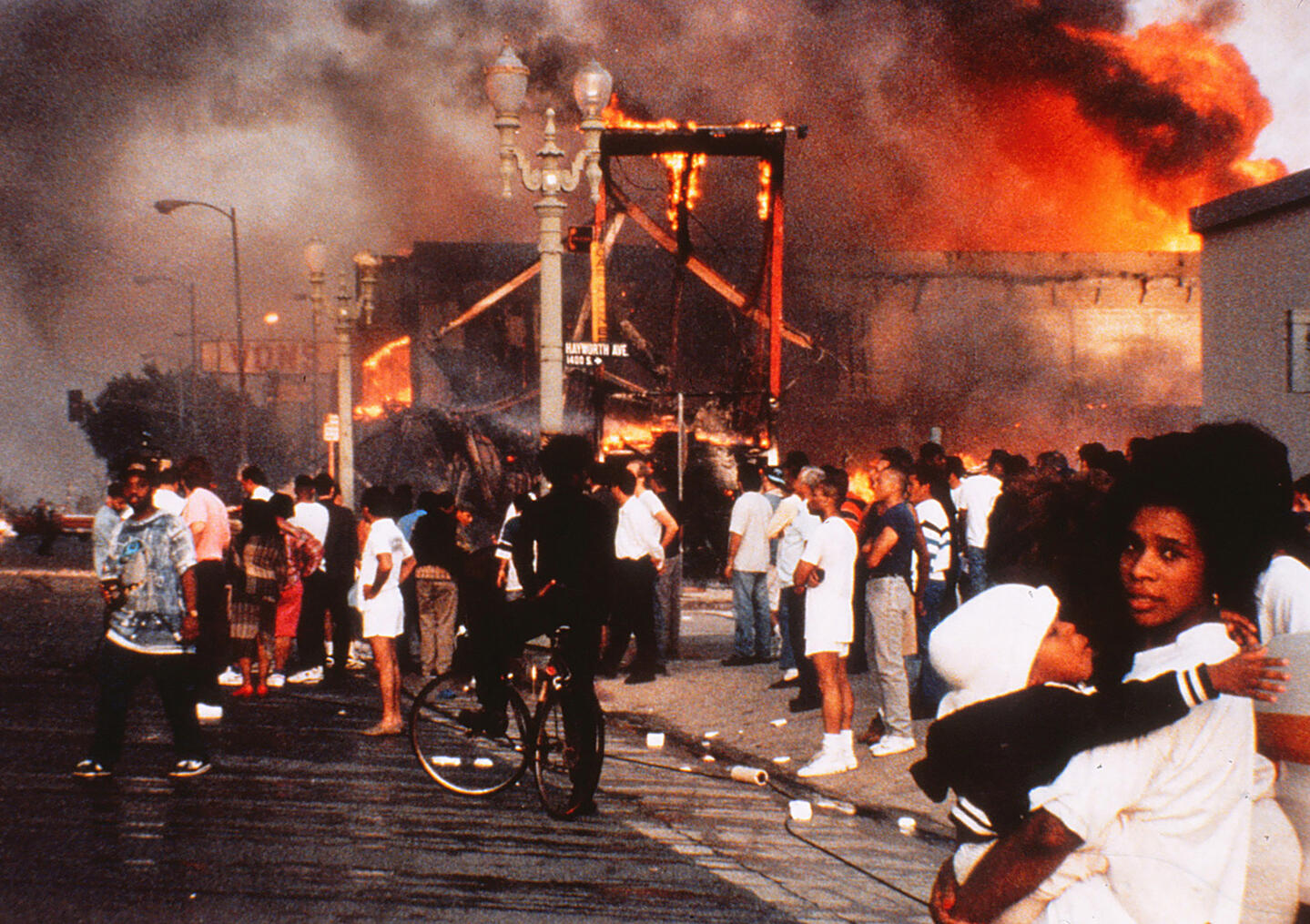
Rodney King was an African American man who was pulled over by the LAPD for speeding. He was on probation and was under the influence of alcohol and he attempted to drive away from the police, initiating a high-speed chase. King allegedly resisted arrest and he was shot with a TASER gun and severely beaten. The entire violent encounter was videotaped and people all over the world watched in horror. The black community in the city demanded that the police officer involved face consequences for the use of excessive force. The jury found the officers not guilty and this sparked four days of riots that killed 55 people, injured thousands, and burned thousands of buildings. A year later, the officers were retried and convicted for violating King’s civil rights and he won $3.8 million in settlement.
== 2008→ First Black Man in American History is Elected to be President ==
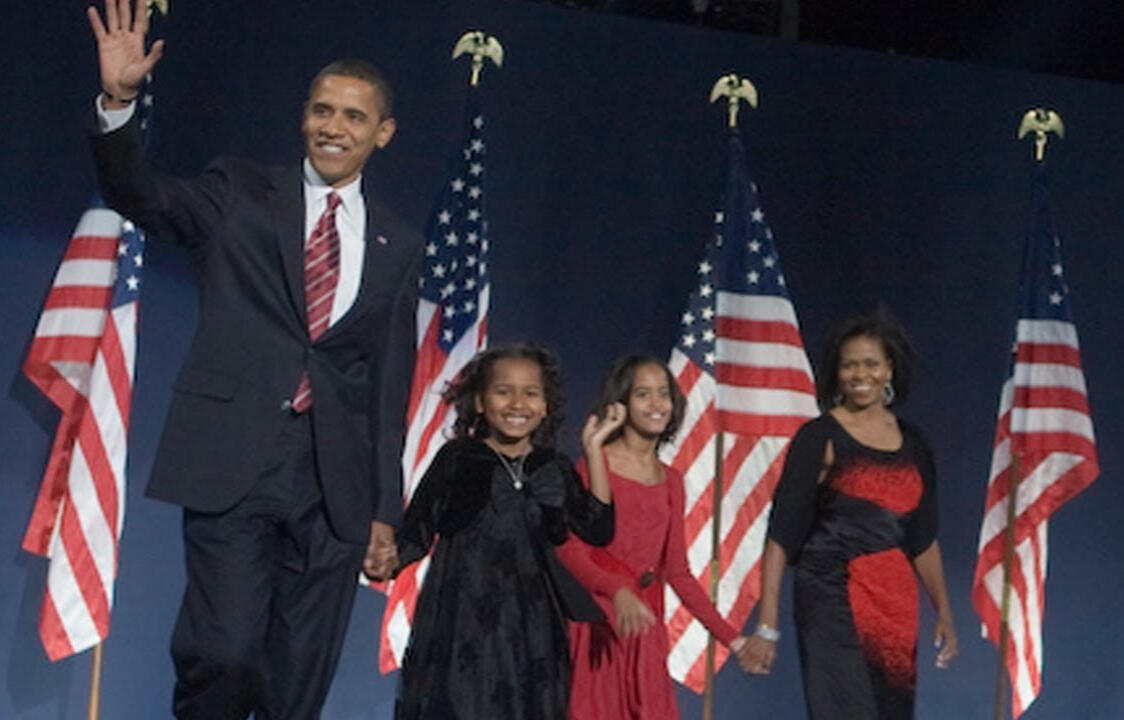
Barack Hussein Obama was a Harvard Law School graduate who began as a community organizer in the South Side of Chicago. He started his political career in the Illinois State Senate and eventually became only the third African American elected to the US Senate since Reconstruction. When he ran as a Democrat in the historic 2008 election, he effectively utilized the Internet and inspired hope and change to draw in young and black voters to the polls for the first time. He was reelected to serve his second term in 2012.
== 2013, 2020→ Black Lives Matter Movement ==
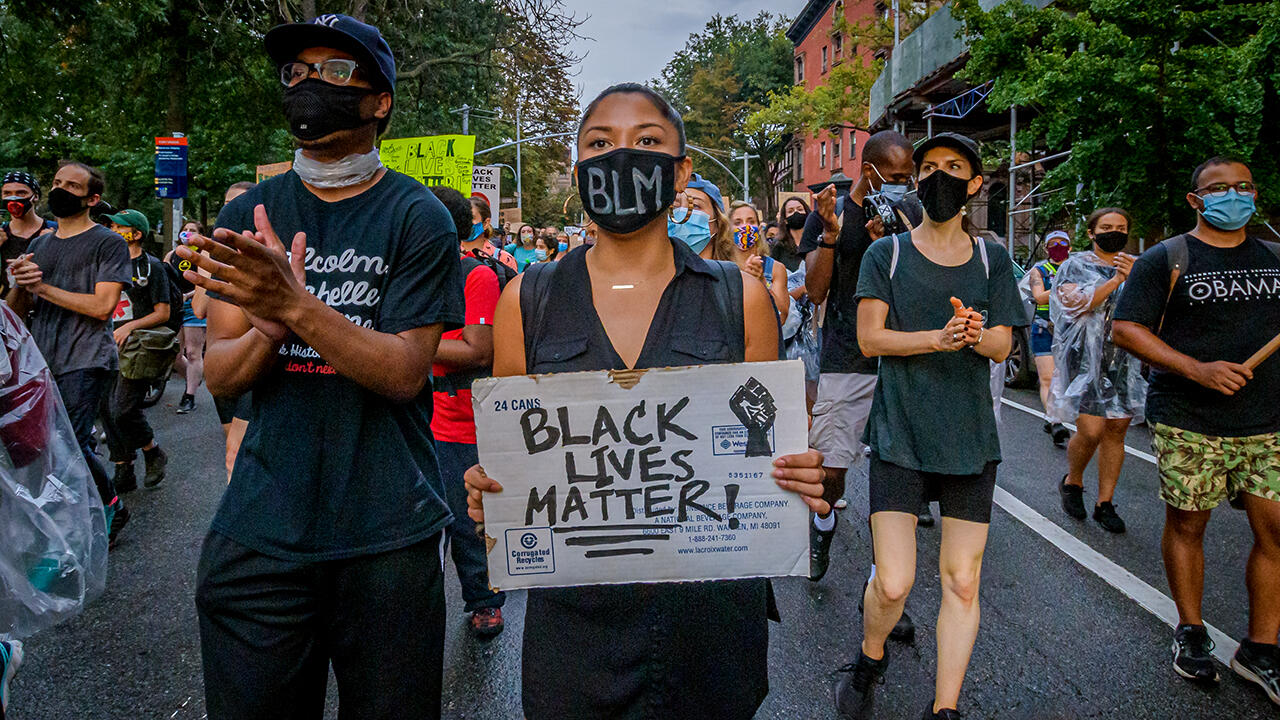
The Black Lives Matter Movement was first coined following the tragic death of an unarmed 17-year-old African-American boy named Trayvon Martin. The hashtag #BlackLivesMatter gained more popularity on Twitter after a string of deaths of black people at the hands of police such as Eric Garner, Michael Brown, and Tamir Rice. In 2020, the videotaped killing of George Floyd after he was handcuffed by the police caused a major resurgence of Black Lives Matter as a rallying cry. Police officer Derek Chauvin kneeled on Floyd’s neck for over eight minutes after he was accused of using a $20 counterfeit bill. Other cases of violence against black people during the same time period included Ahmaud Arbery and Breonna Taylor and these cases further increased public demands for change. Despite the COVID-19 pandemic, protests from all across the country erupted in the streets demanding justice for the lives lost and criminal justice reform.
== 2021→ The First Black and Female Vice President Inaugurated into Office ==
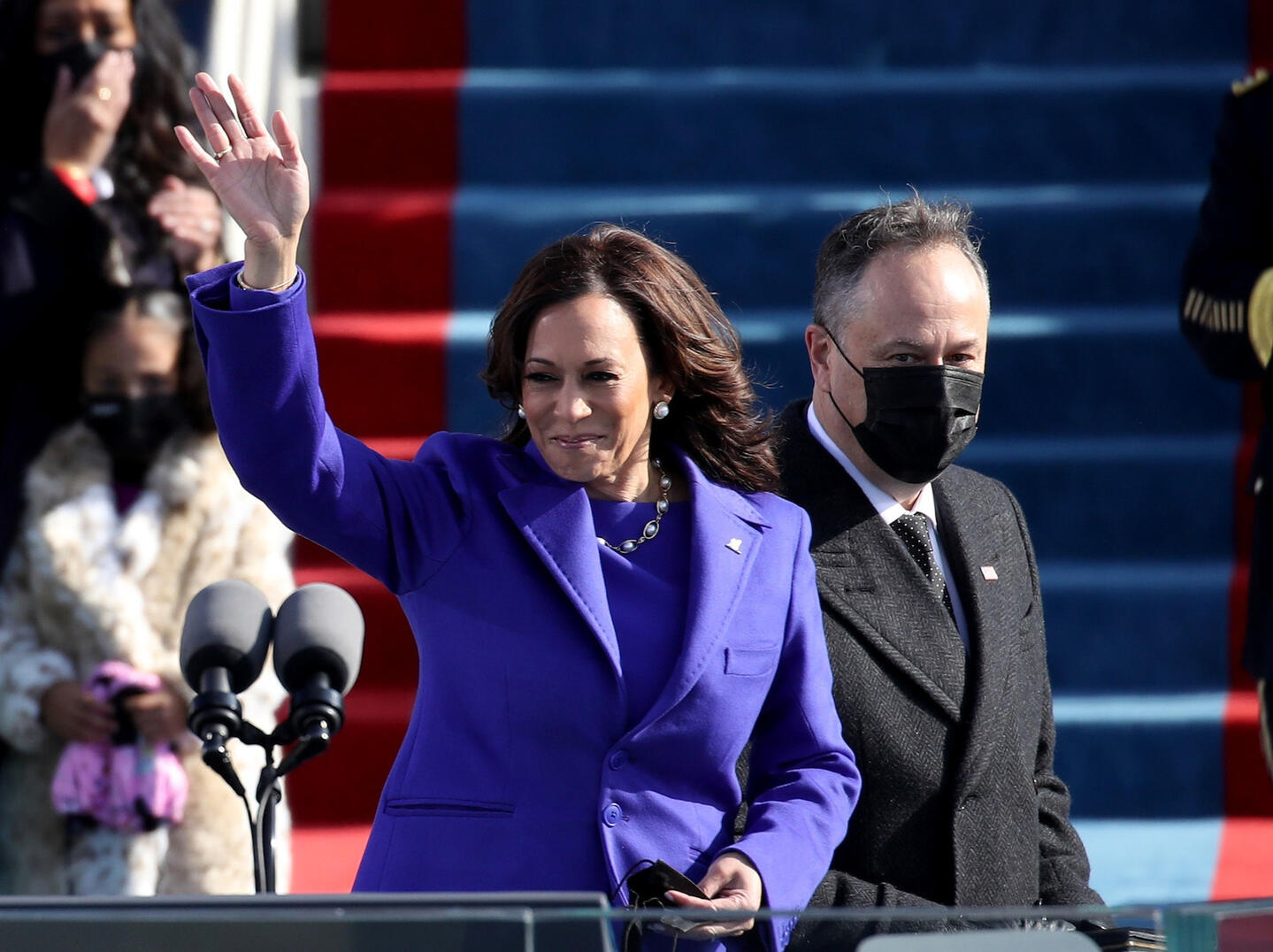
Kamala Harris was of Indian and Jamaican descent and she attended Howard University, a historically black university. She was the first woman and woman of color to become the vice president. She was nominated on President Joe Biden’s ticket and after her historic victory, she thanked the generations of women of color who came before her and paved the way.
==August 24, 1821 → Mexico's Independence ==
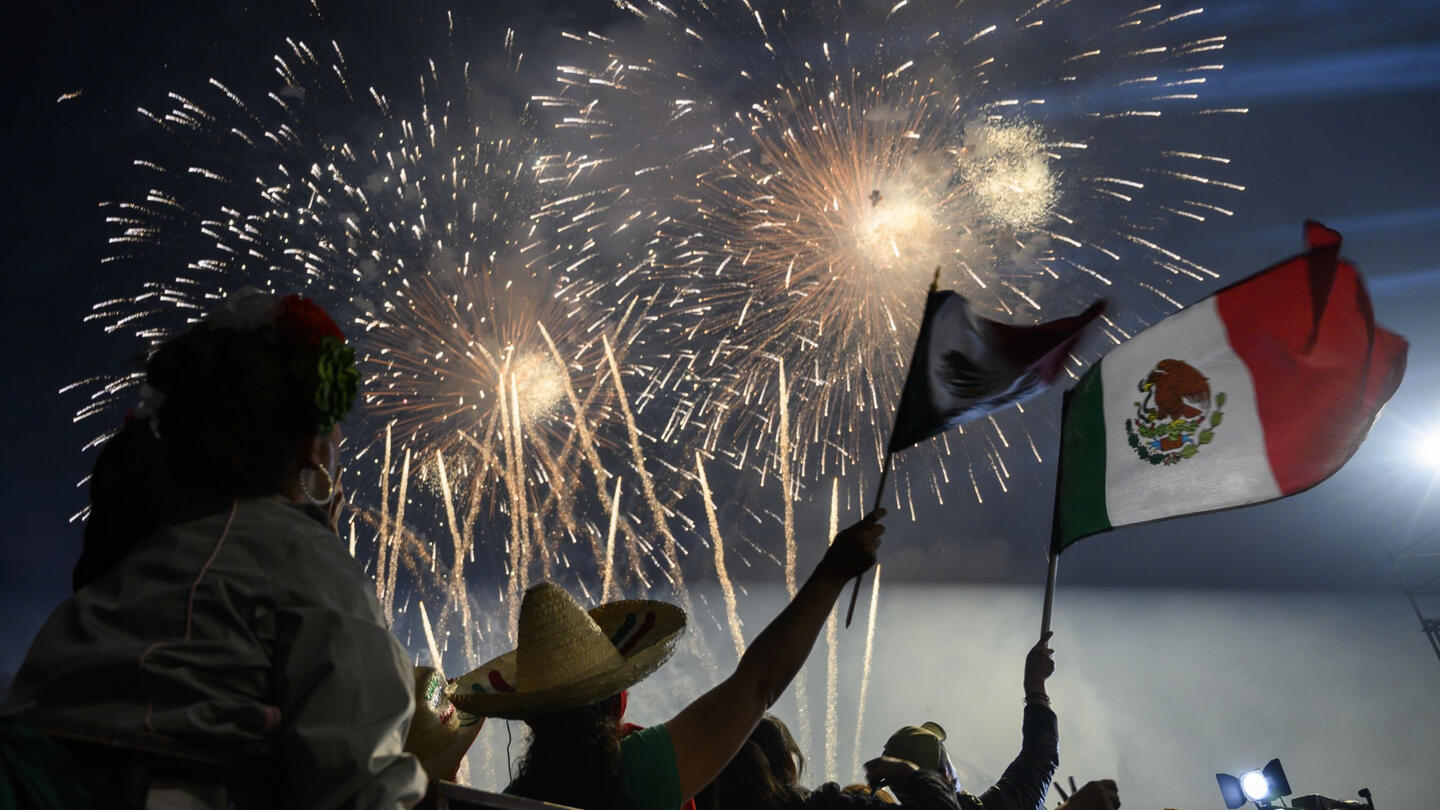
With the Treaty of Corada ratified, Mexico had officially gained independence from Spain. Since Mexico was devastated by the war, they started to invite selected anglo settlers into Texas, which had an abundance of inexpensive land.
==September 30, 1822→ The First Hispanic Congressman ==
Joseph Marion Hernandez became the first Hispanic Congressman and served during the 17th Congress until March 3, 1823. During his time in Congress, Hernandez served as the single delegate of Florida. At first, Hernandez fought for Spain to stop US encroachment but later switched to the US.
==1836 - 1838→ The Mexican American War ==
The tension started with the annexation of Texas and is viewed as the main reason for the war beginning. America won the war and ratified the Treaty of Guadalupe, which led to the Mexican Cession that gave America land, which included: present-day Arizona and New Mexico and parts of Utah, Nevada, and Colorado.
1898→ The Spanish American War
After a multitude of factors such as Yellow Journalism, Jingoism (an intense form of nationalism that called for aggressive foreign policy), and the sinking of the Maine, the US went to war with Spain and came out victorious. America's victory granted Cuban independence from Spain.